

When Should You Chlorinate Your Well? Essential Guide for Property Owners in Burlington, WI & Racine, Walworth, and Kenosha Counties
Key Warning Signs, Expert Tips from Gohlke Well, and What Every Property Owner in Burlington, Racine, Walworth & Kenosha Counties Needs to Know About Safe Well Water

Private well water is a reliable source for thousands of families across Burlington, WI, and the surrounding Racine, Walworth, and Kenosha Counties. But even the best-maintained wells can develop bacterial issues over time. That’s where well chlorination (also called shock chlorination or well disinfection) comes in. It’s one of the most effective ways to eliminate harmful bacteria like coliform and E. coli, along with iron bacteria and sulfur bacteria that cause slime, odors, and staining.
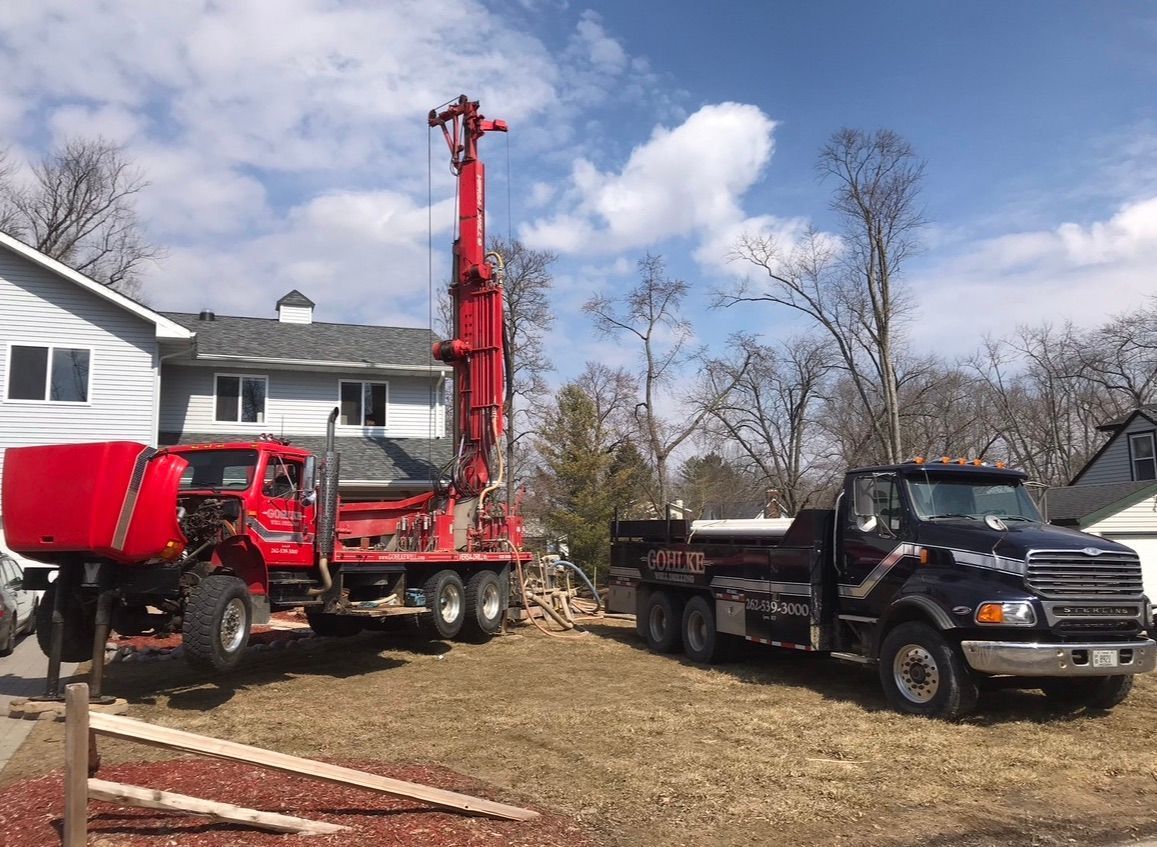
At Gohlke Well, your trusted local well drilling and well water service company serving Burlington, Racine, Walworth, and Kenosha Counties, we perform dozens of well chlorinations every year. In this SEO-optimized guide, we’ll walk you through the clear signs your well needs chlorination, when it’s required by best practices (and Wisconsin DNR guidelines), what the process involves, and why professional service from Gohlke Well is often the smartest choice for Southeast Wisconsin homeowners.
What Is Well Chlorination and Why Does It Matter?
Well chlorination is a targeted disinfection process that introduces a high concentration of chlorine into your well and entire plumbing system. The goal? To kill bacteria, viruses, and biofilm that can build up inside the well casing, pump, and pipes.
Unlike continuous chlorination systems (which some wells need for ongoing iron or sulfur bacteria control), shock chlorination is a one-time “shock treatment” used when testing shows contamination or after specific events. Wisconsin’s private well owners are responsible for their own water quality—no municipal oversight—so regular testing and timely chlorination are your first line of defense for safe drinking water.
5 Clear Signs Your Well Needs Shock Chlorination
Don’t wait for a positive lab test. Watch for these common red flags that signal it’s time to chlorinate your private well:
- Foul or Rotten-Egg Odors – A sulfur-like or musty smell from faucets almost always points to bacterial buildup (iron or sulfur-reducing bacteria).
- Cloudy, Discolored, or Slimy Water – Turbid water after rain, reddish-brown staining, or black slime in your toilet tank are classic signs of iron bacteria.
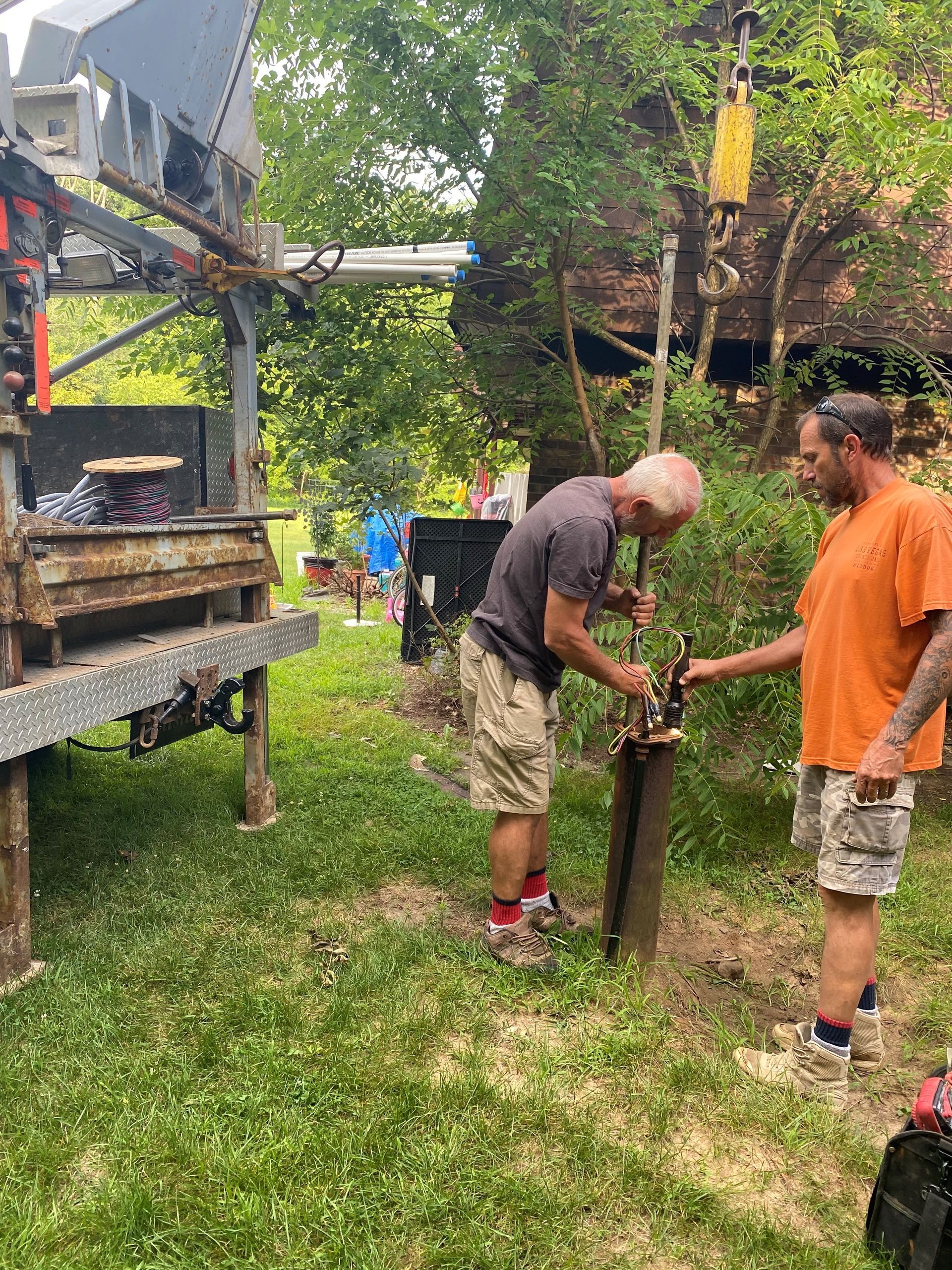
- Recent Well Work or Repairs – Any time a well driller or pump installer opens the well cap for repairs, pump replacement, or new piping, shock chlorination is required.
- Positive Bacteria Test Results – If your annual coliform bacteria test comes back positive, chlorination is the recommended first step before re-testing.
- Flooding, Heavy Rain, or Standing Water Around the Well – Surface water can carry contaminants straight down the casing if your well cap isn’t perfectly sealed.
Other triggers include a new well installation, returning an unused well to service, or noticeable changes in taste (metallic or bitter).
When Wisconsin DNR Guidelines Recommend Chlorinating Your Well
According to the Wisconsin Department of Natural Resources (DNR), shock chlorination is strongly recommended in these situations:
- After any new well construction or pump installation (licensed drillers and pump installers handle this by code).
- Following positive total coliform or E. coli test results.
- After well repairs, maintenance, or any time the well cap is removed.
- Following flood events or heavy rainfall that could introduce surface contamination.
- To control nuisance bacteria causing iron/sulfur issues common in Southeast Wisconsin groundwater.
Pro tip for Burlington-area homeowners: Test your well water at least once a year for bacteria (and nitrates). Spring is ideal because snowmelt and spring rains can push contaminants into shallow wells. Certified labs are available throughout Racine, Walworth, and Kenosha Counties—many offer convenient drop-off testing.
The Well Chlorination Process: What to Expect
Whether you choose DIY or professional service from Gohlke Well, here’s what the standard shock chlorination process looks like (following DNR guidelines):
- Preparation – Bypass water softeners, filters, and heaters to protect equipment. Shut off the well pump power.
- Calculate & Add Chlorine – A precise amount of unscented household bleach (or approved liquid chlorine) is mixed and poured into the well to reach 100–500 ppm chlorine concentration. (Exact dosage depends on well depth and diameter—our team at Gohlke Well calculates this on-site.)
- Circulate the Solution – Run chlorinated water through every faucet and outdoor spigot until you smell chlorine, then recirculate back into the well to scrub the casing.
- Contact Time – Let the solution sit 12–24 hours (overnight is best).
- Flush Thoroughly – Pump the chlorinated water out through a hose (away from lawns, septic systems, and waterways) until the chlorine smell is gone.
- Retest – Wait 7–14 days, then collect a new bacteria sample. If results are still positive after three attempts, a “well fill and seal” may be needed.
Important Wisconsin note: In arsenic-sensitive areas (including parts of Southeast WI), chlorine levels must be carefully controlled to avoid mobilizing naturally occurring arsenic.
DIY vs. Professional Well Chlorination from Gohlke Well – What Burlington Homeowners Should Know
Many homeowners can follow DNR’s “Do It Yourself Private Well Disinfection” instructions (Publication DG-120). However, we at Gohlke Well strongly recommend hiring licensed local professionals for several reasons:
- Safety & Precision – Handling concentrated chlorine near electrical components and pressurized systems carries risks. Our teams at Gohlke Well use proper PPE and equipment.
- Thorough Results – Professionals often combine chlorination with well cleaning, pH adjustment, or dispersants to break up stubborn biofilm—something DIY methods can miss.
- Warranty & Compliance – Post-construction or post-pump-install chlorinations must be done by licensed drillers/pump installers per Wisconsin code.
- Convenience – No hauling bleach, no 24-hour water outage planning, and we handle flushing and follow-up testing.
In Racine, Walworth, and Kenosha Counties, local groundwater conditions (high iron, sulfur, and occasional shallow well vulnerability) often require more than basic bleach treatment. Gohlke Well has the experience and equipment to get it right the first time.
Protect Your Family’s Water Year-Round with Gohlke Well
Shock chlorination fixes the immediate problem, but prevention is key. Schedule annual bacteria testing, inspect your well cap and casing every spring, and keep trees, septic systems, and chemicals at least 50 feet away from your well.
Our Burlington-based well drilling and water service team at Gohlke Well offers complete well chlorination, water testing, pump repair, and well maintenance packages tailored to Southeast Wisconsin homes. Whether you’re in Burlington, Racine, Walworth, Kenosha, or the surrounding townships, we’re just a phone call away.
Ready to restore safe, great-tasting well water to your home?
Contact the expert team at Gohlke Well today for professional well chlorination, water testing, or a free well inspection. Serving Burlington, WI and all of Racine, Walworth, and Kenosha Counties with fast, reliable service you can trust.
Don’t risk your family’s health on questionable well water. Let the local well experts at Gohlke Well handle it right the first time.
Call Gohlke Well today – your Southeast Wisconsin well water specialists.



Share On: